

CCSDPT
CCSDPT
Joint Sustainable Thailand Appeal 2026–2028
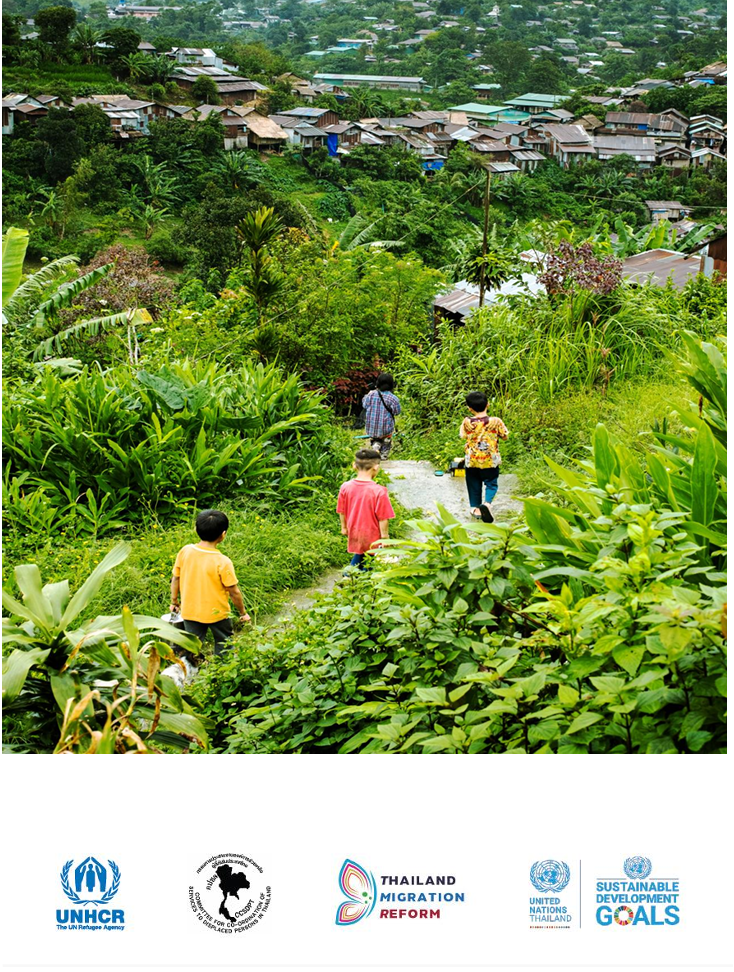
A collective humanitarian appeal supporting displaced persons from Myanmar living in temporary shelters in Thailand.
The Committee for Coordination of Services to Displaced Persons in Thailand (CCSDPT), together with its member organizations, is pleased to launch the Joint Sustainable Thailand Appeal 2026–2028.
The appeal presents a coordinated humanitarian response framework aimed at supporting displaced persons from Myanmar living in temporary shelters along the Thailand–Myanmar border.
Key Objectives:
Maintain access to essential services
Support self-reliance and livelihoods
Strengthen community resilience
Promote sustainable and coordinated humanitarian assistance
Support ongoing policy developments by the Royal Thai Government
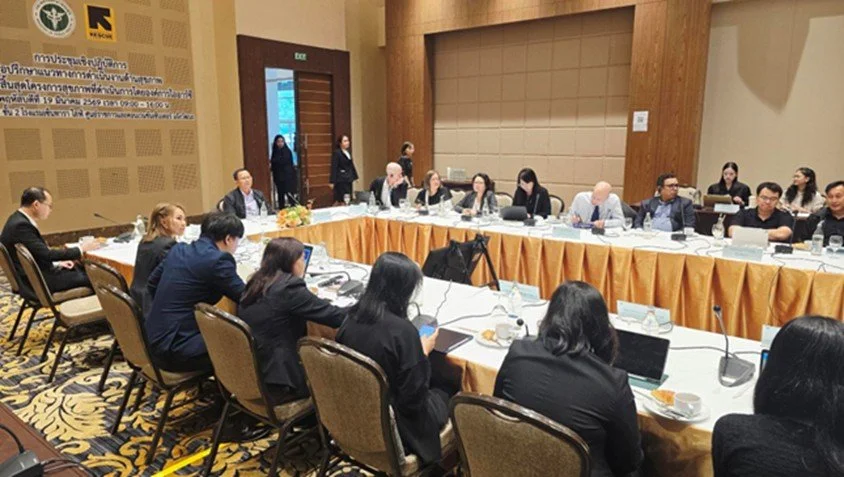
Coordinating humanitarian support and advocacy for displaced communities in Thailand
New Thai Regulation Strengthens Legal Recognition for Displaced Persons
The Royal Thai Government has introduced a new regulation enabling displaced persons from Myanmar living in temporary shelters to receive official non-Thai identification cards, marking an important step toward legal identity, dignity, and inclusion.
Thailand to Issue Identification Cards for Myanmar Displaced Persons of the Nine Temporary Shelters
The Bureau of Registration Administration, Ministry of Interior issued a new regulation on 30 April 2026, effective 1 May 2026, reflecting the Royal Thai Government's continued commitment to supporting the integration and dignity of displaced persons from Myanmar living in the nine temporary shelters along the Thai-Myanmar border.
This regulation will permit eligible persons in the temporary shelters to receive a Non-Thai Identification Card, issued by the district administrator, carrying a unique 13-digit identification number, providing a foundational legal identity that paves the way for this population to lead a life of dignity, self-reliance, and contribution to Thailand. This follows the Thai Government's Cabinet Resolution of 26 August 2025 on employment of displaced persons from Myanmar in temporary shelters, and reflects the speed and goodwill with which the Royal Thai Government has moved to provide concrete rights and recognition to this long-displaced population.
The process will be implemented in a step-by-step manner. As an important first step, identification cards will be issued to displaced persons who are already legally working outside the camps. The card will record personal information including name, date of birth, parental details, address, photograph and fingerprints. Persons aged between 5 and 70 will be required to apply for a card. The pink card will include security features such as a QR code, and the regulation also outlines procedures for birth and death registration, record corrections, card replacement, and changes of residence.
While this regulation represents a significant foundation for legal identity and improved access to rights and services, further instructions from the Thai authorities will be required regarding work permission and movement, and practical access to education, healthcare, and other basic services, to ensure that displaced persons can fully benefit from this policy in practice.
CCSDPT commends the Royal Thai Government for this significant humanitarian and policy decision and looks forward to supporting effective, inclusive, and rights-based implementation for all displaced persons in the temporary shelters.
Our Members
Our Members
CCSDPT is a coordination platform bringing together 13 humanitarian organizations working in support of displaced persons in nine temporary shelters along the Thailand–Myanmar border.
Through collaboration, coordination, and engagement with key stakeholders, CCSDPT supports humanitarian efforts and promotes sustainable solutions for displaced communities.
Learn more about our member organizations, the temporary shelters, and the work being carried out across the border region below.
ACTED Agency for Technical Cooperation and Development
ADRA Thailand Adventist Development and Relief Agency
COERR COERR Foundation
RF-DARE Ruammit Foundation-DARE Network
HI Humanity & Inclusion (Handicap International)
IRC International Rescue Committee
SCT Save the Children (Thailand) Foundation
SVA Shanti Volunteer Association











The camps
The camps
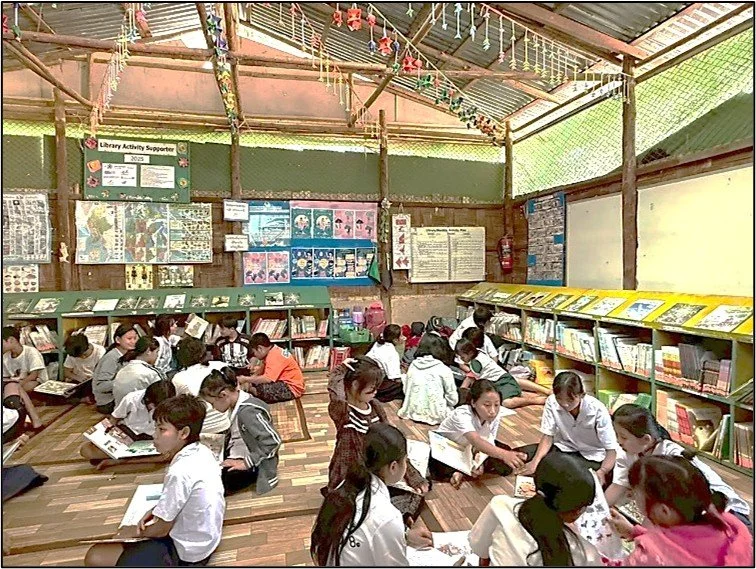
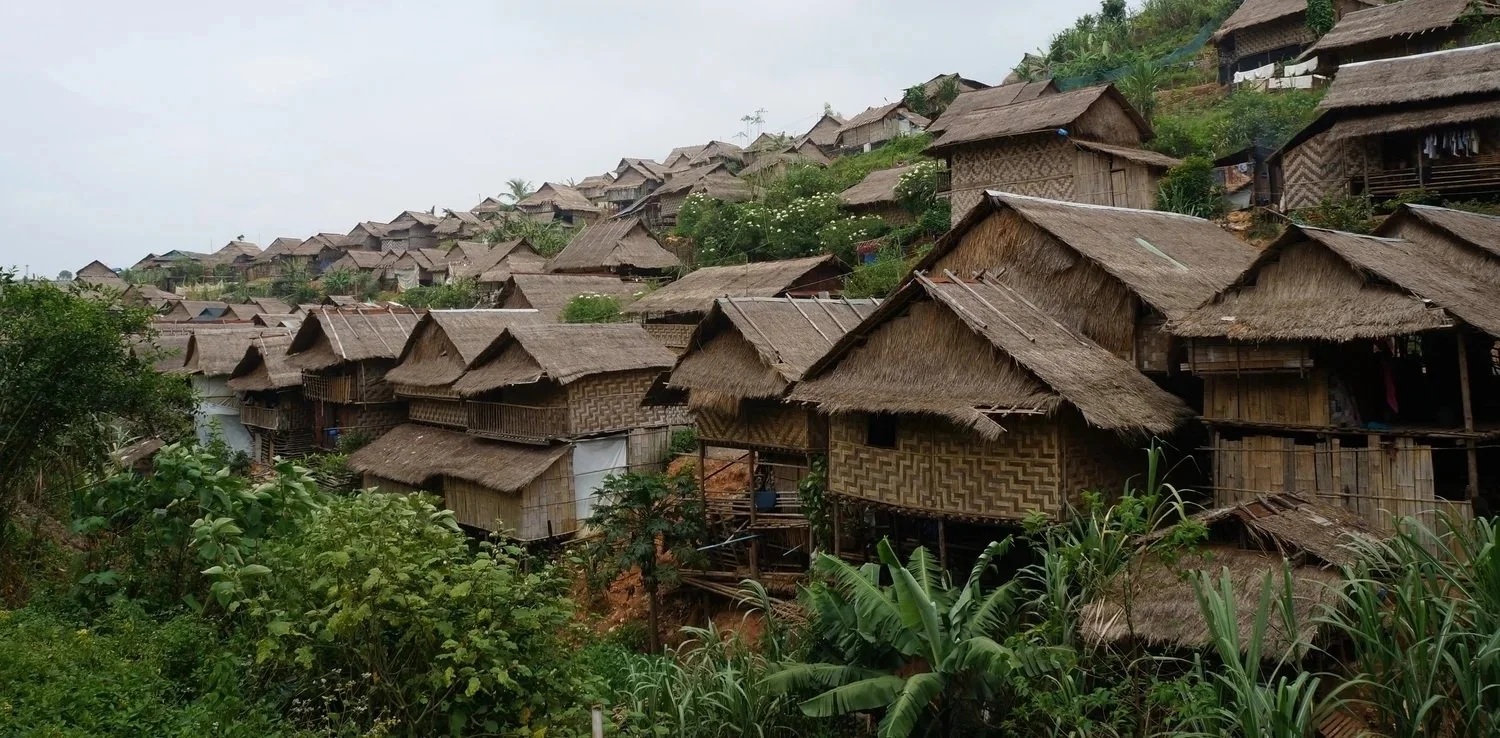
CCSDPT members work in nine of the refugee camps in Thailand situated on the Thailand / Myanmar border.
3. Mae La Oon
5. Mae La
6. Umpiem Mai
7. Nupo
8. Ban Don Yang
9. Tham Hin
Our work
Our work
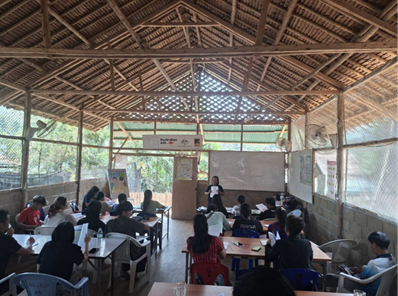
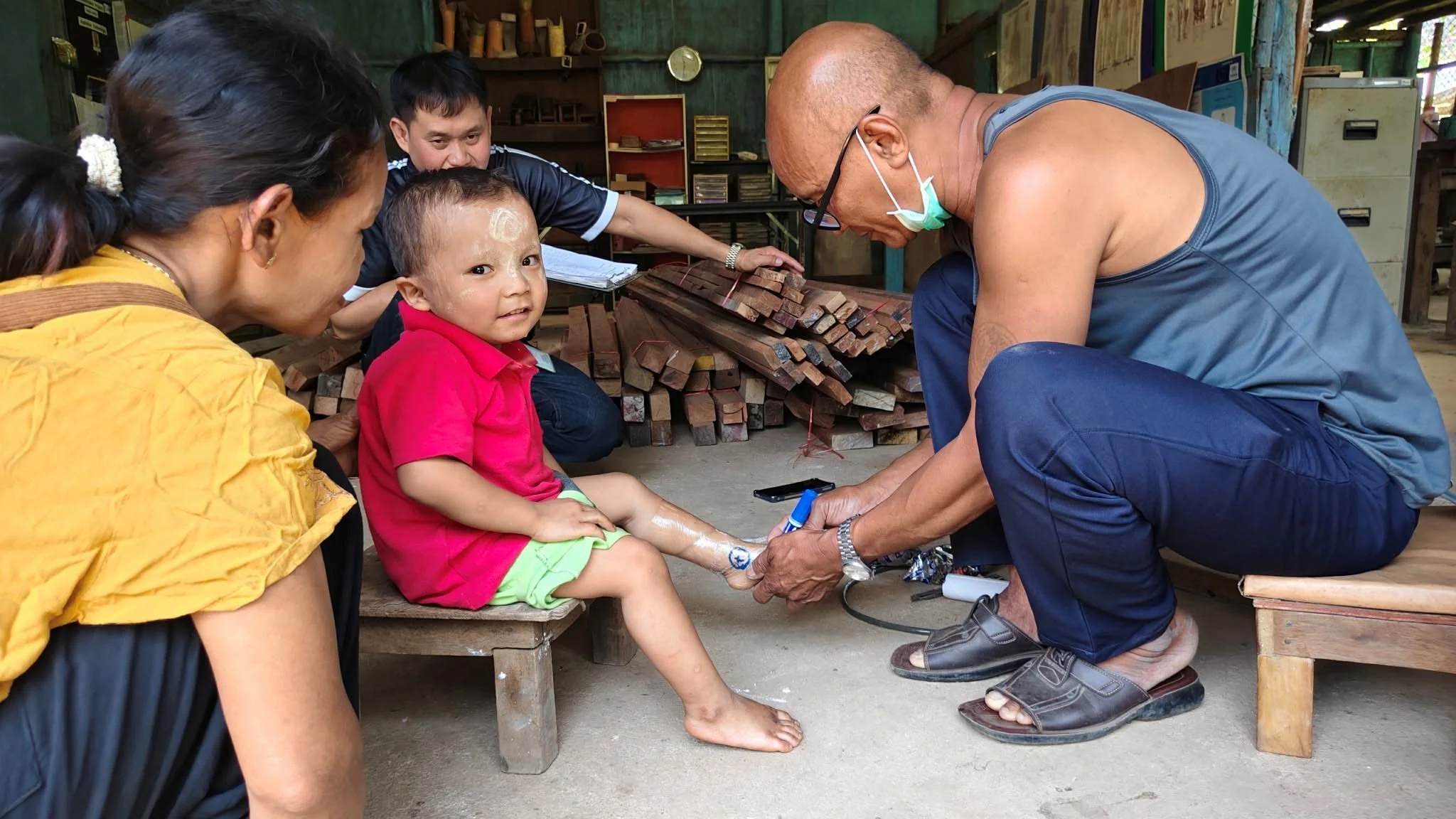
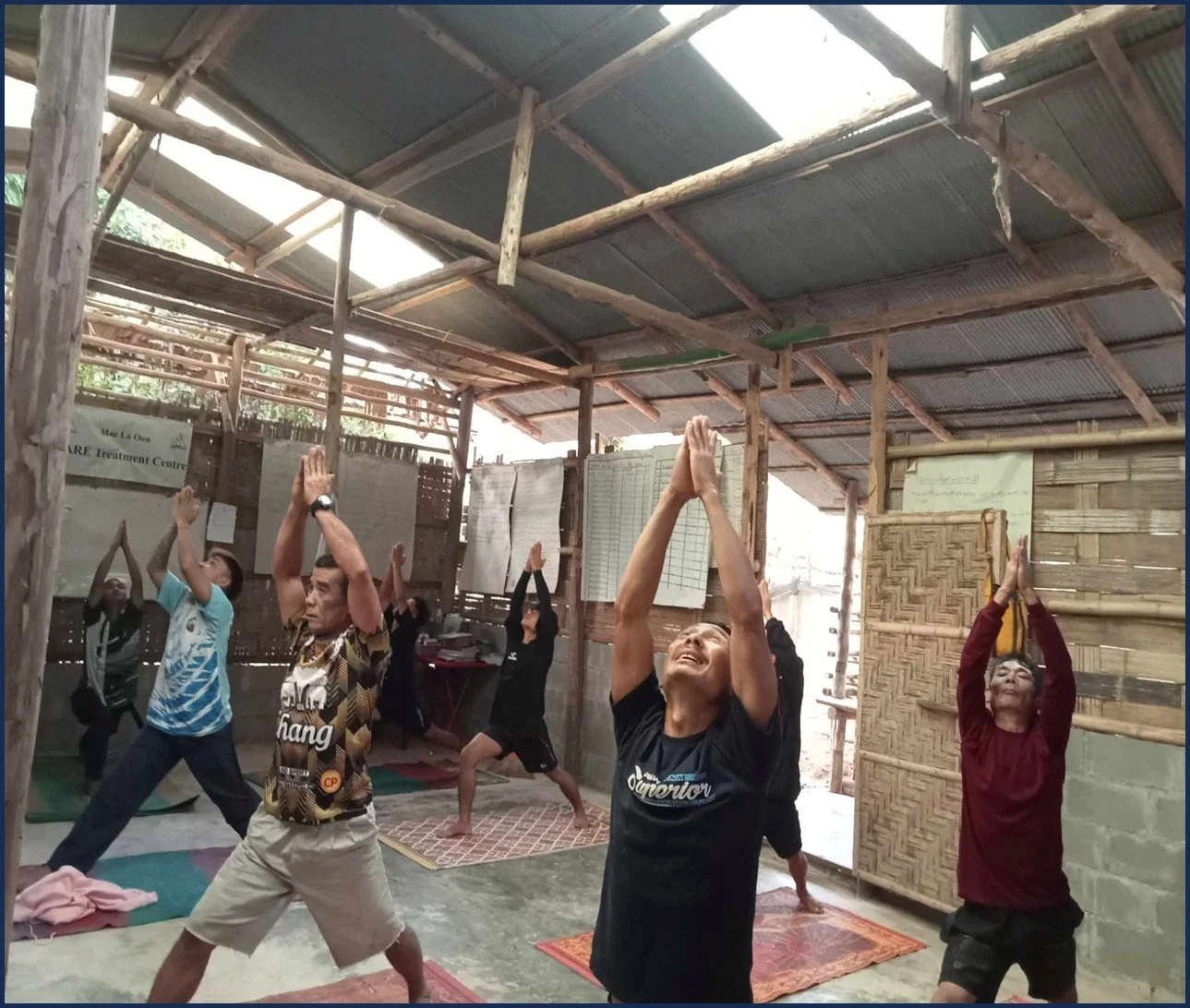
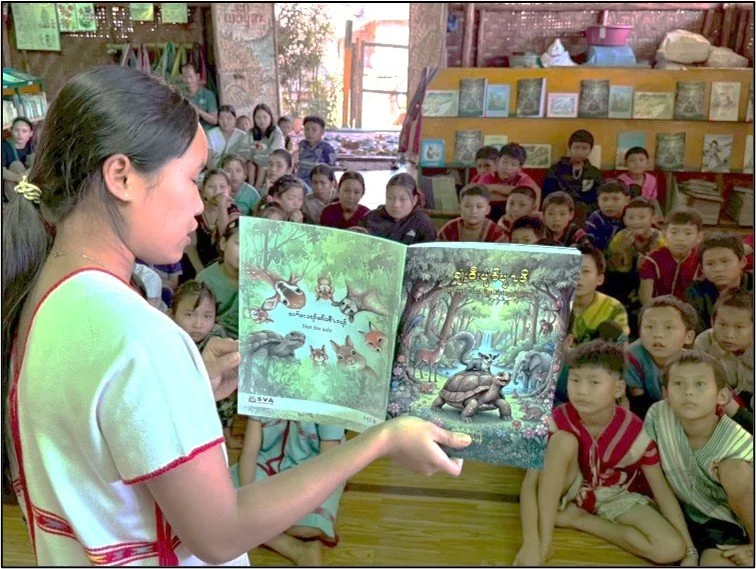
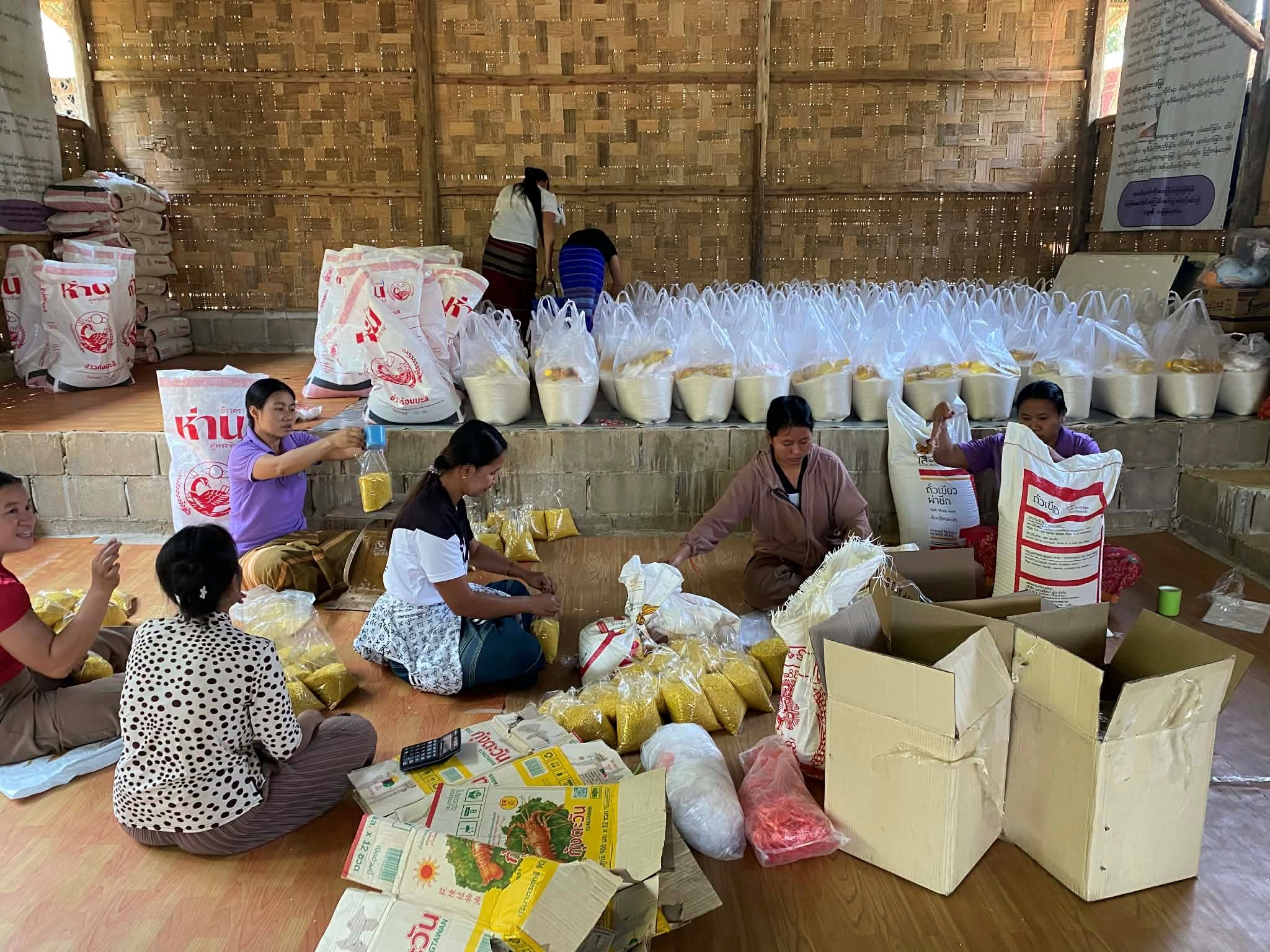
CCSDPT members collaborate across multiple sectors to provide humanitarian support, strengthen coordination efforts, and support displaced communities in their transition toward greater self-reliance and sustainable opportunities.