
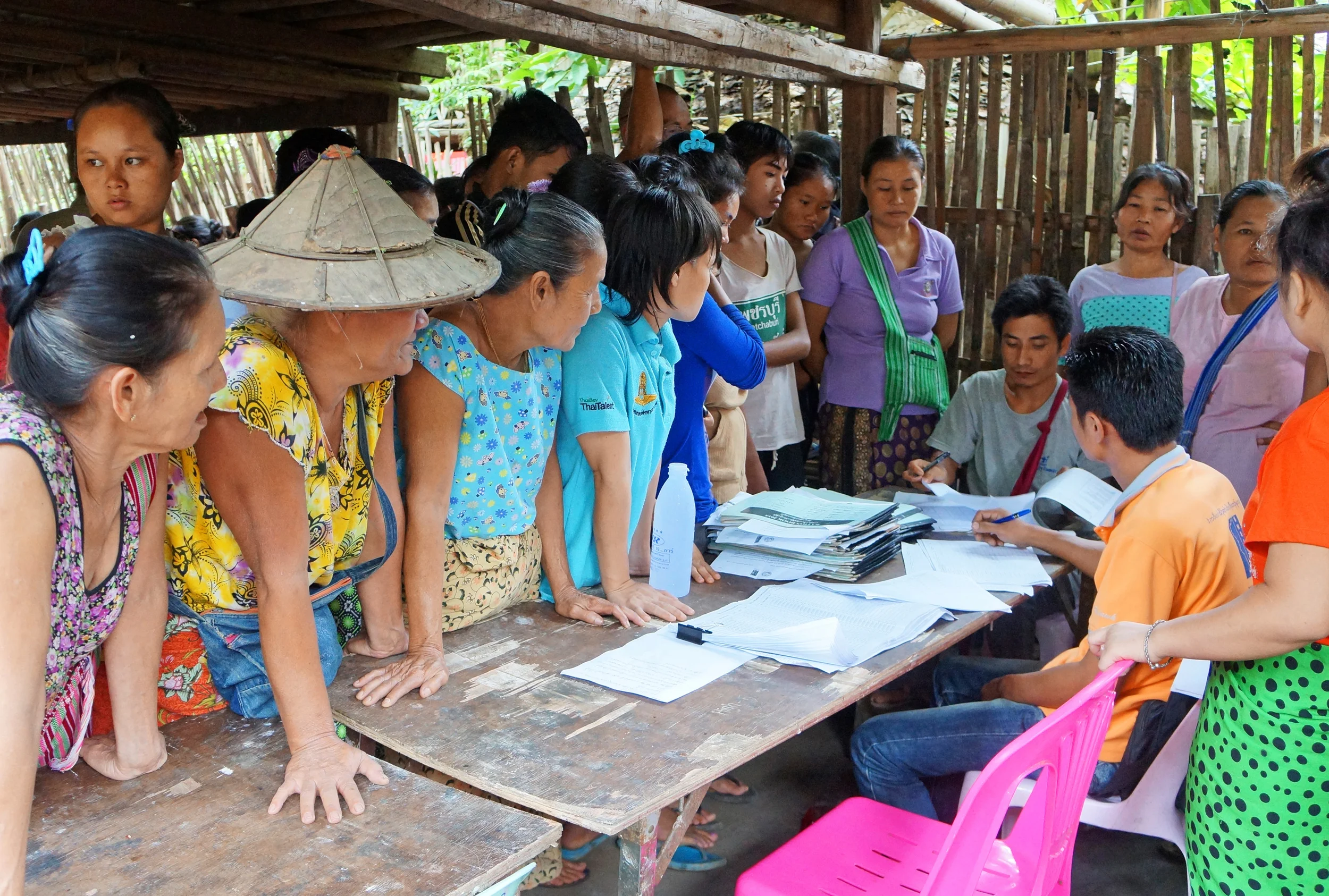
Marking One Year of Thailand’s Refugee Self-Reliance Policy: From Policy to Opportunity
Today marks one year since Thailand’s Refugee Self-Reliance Policy came into effect.
Over the past year, more than 6,800 refugees have taken up legal employment, alongside progress in access to health services, health insurance and official identification.
As the policy enters its second year, CCSDPT and its partners remain committed to expanding opportunities and addressing barriers to safe, fair and sustainable employment.
Together, we can turn the right to work into lasting opportunities for self-reliance.
📄 Read the full CCSDPT Press Release below.
#CCSDPT #RefugeeSelfReliance #RightToWork #Thailand #MyanmarRefugees
Advancing the Right to Work: Government, NGOs and International Organizations Discuss Progress and Next Steps
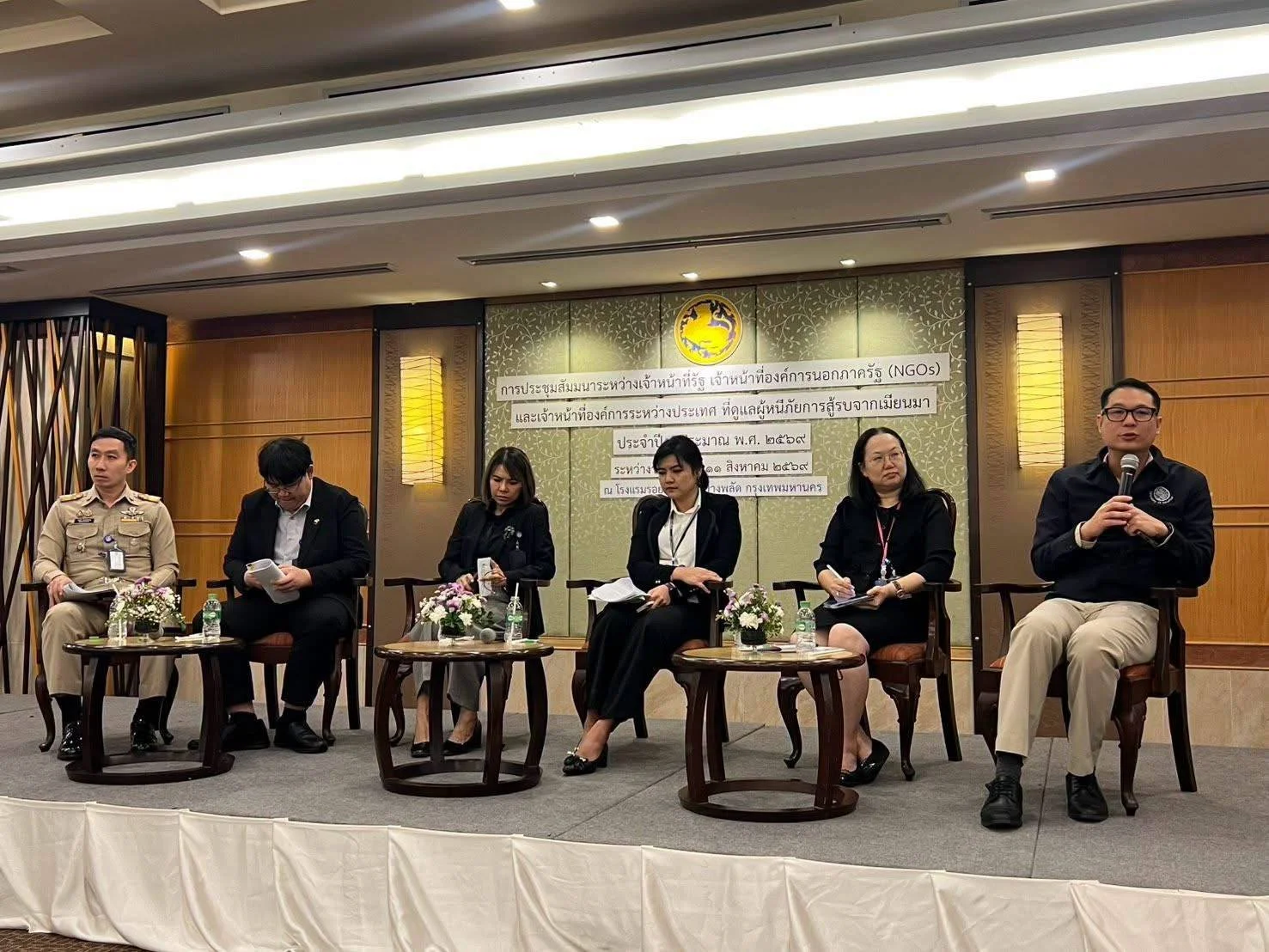
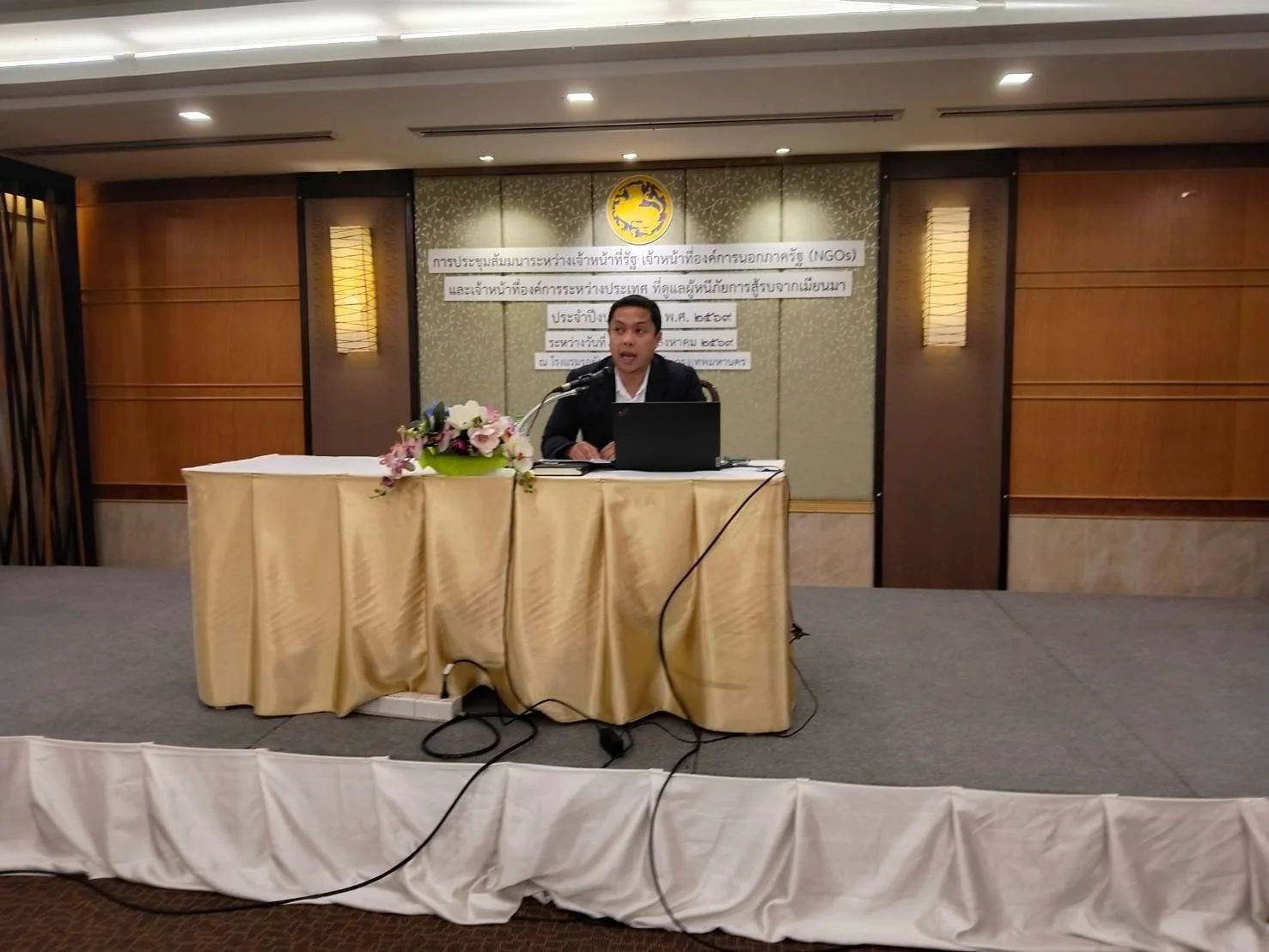
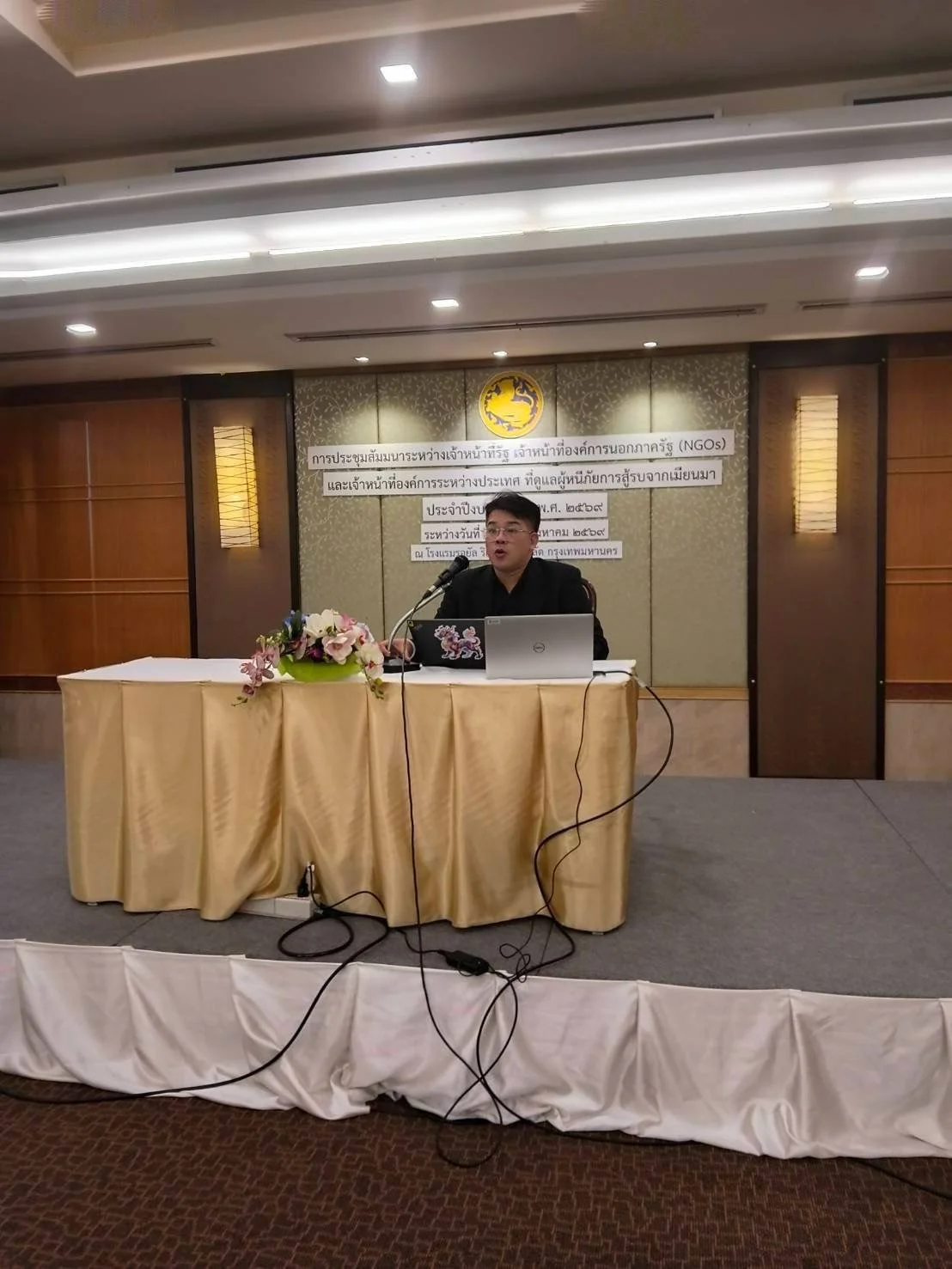
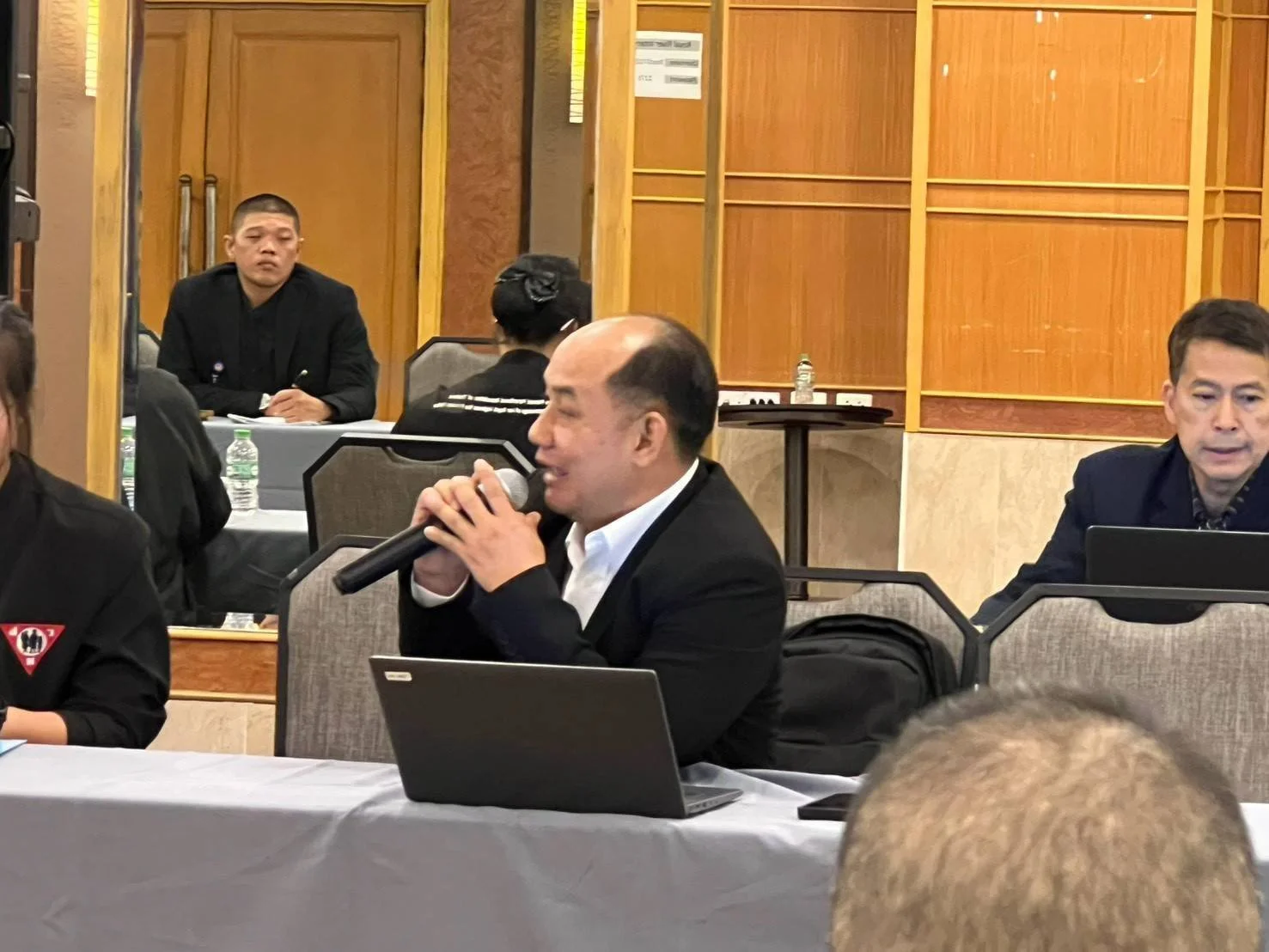
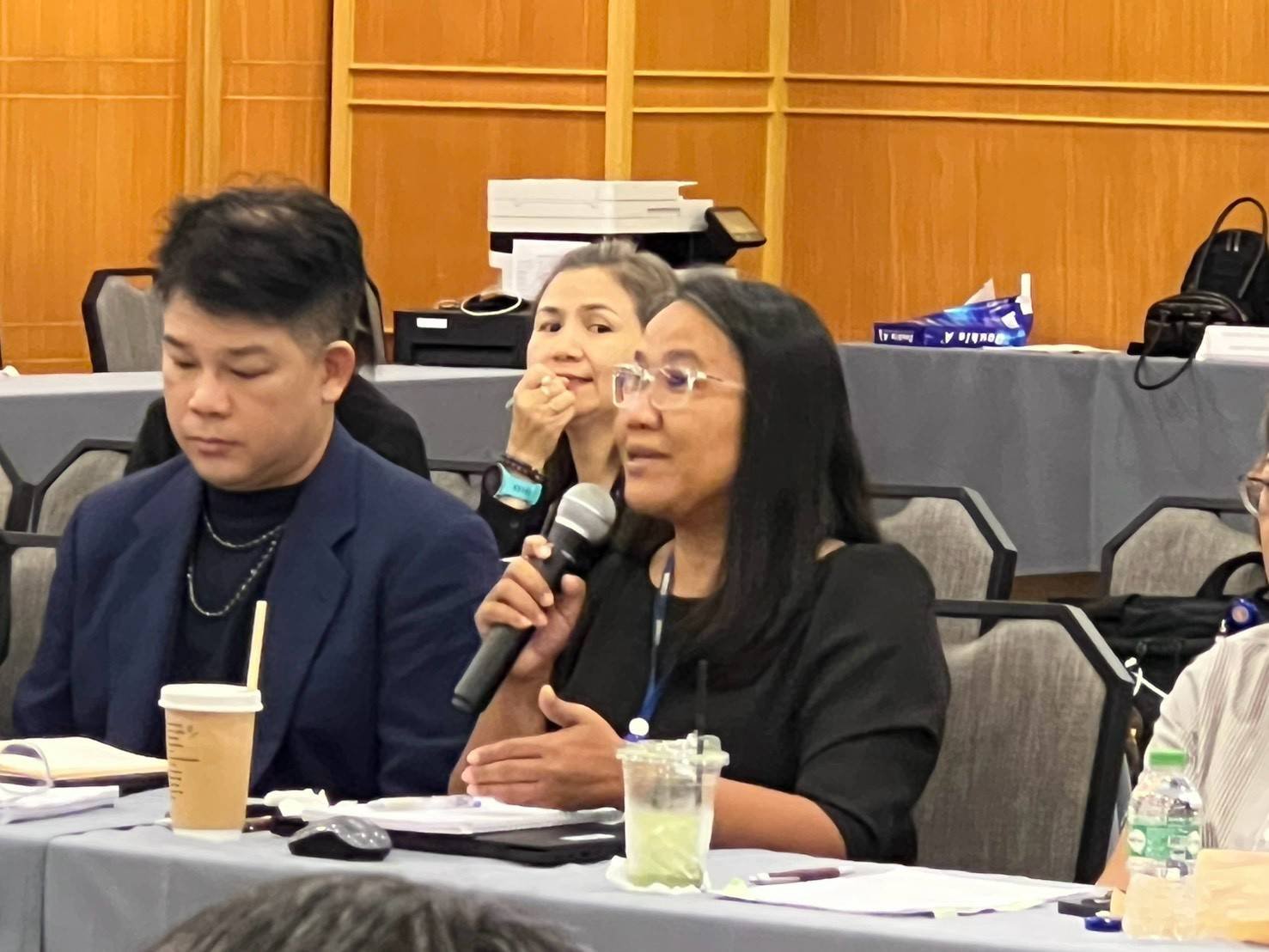
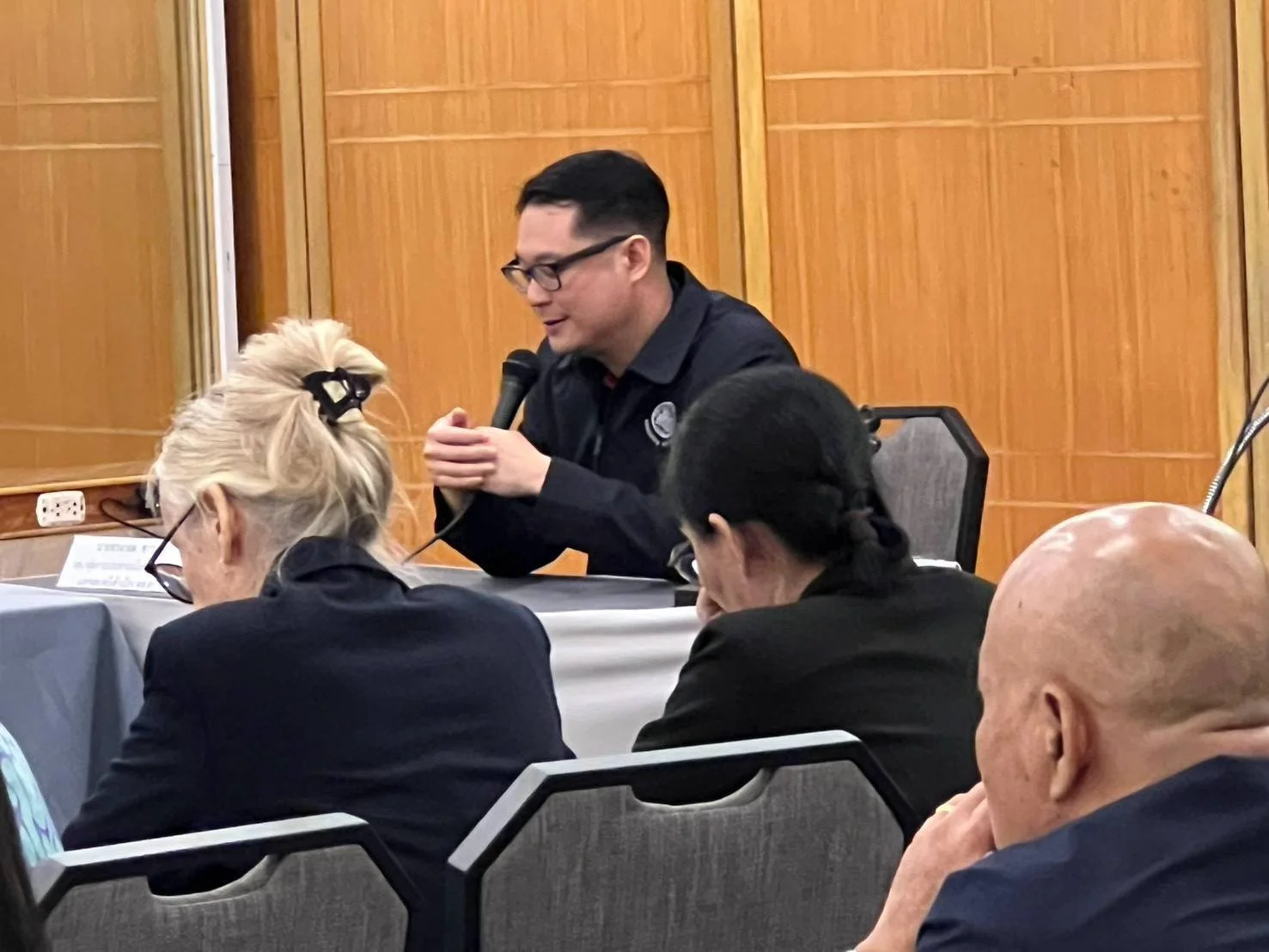
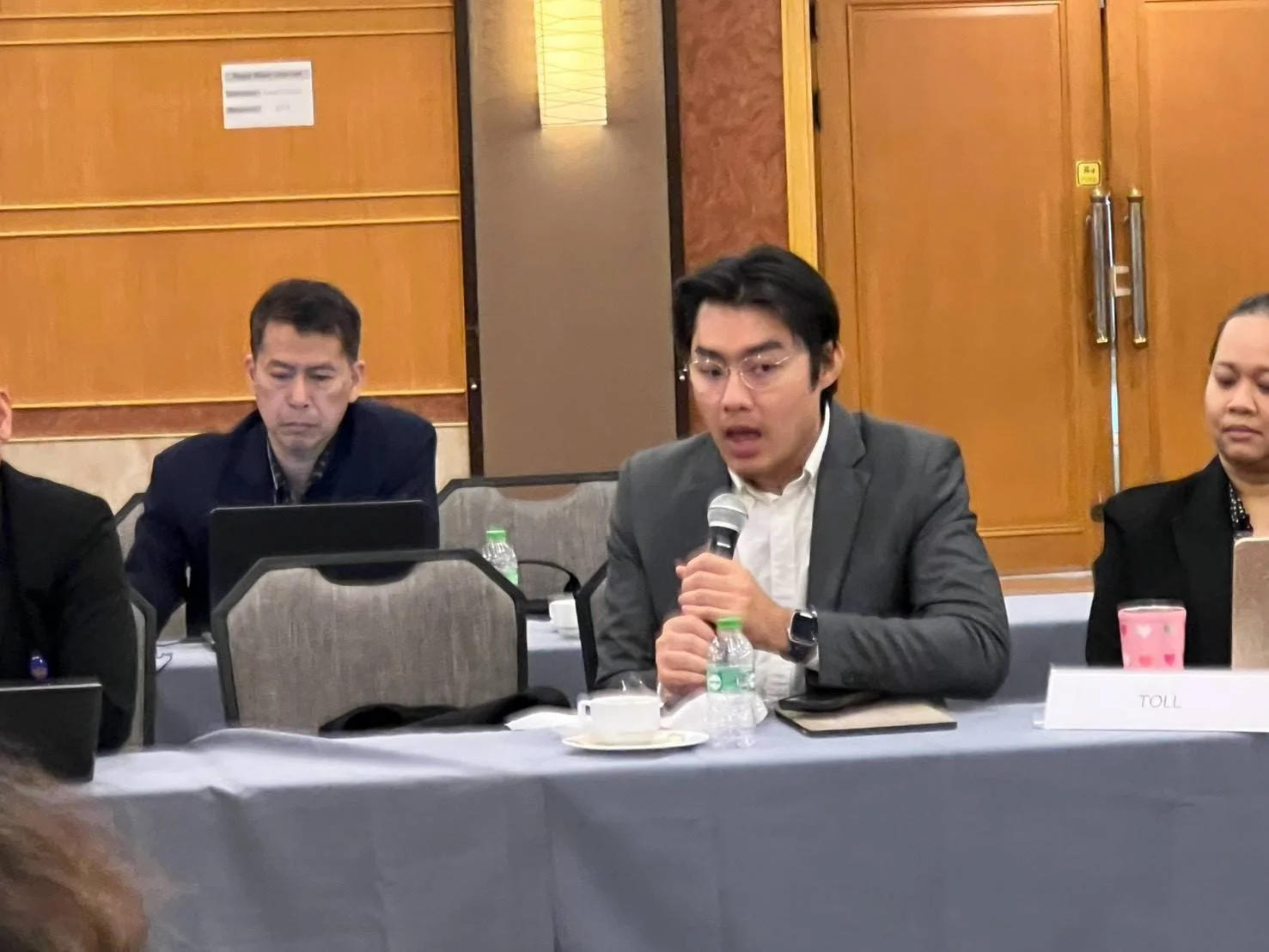
Bangkok, 10–11 August 2026— The Ministry of Interior (MOI) convened its Annual Seminar with government officials, non-governmental organizations (NGOs), and international organizations working with displaced persons from Myanmar at the Royal River Hotel in Bangkok.
The two-day seminar provided an important platform for government agencies and humanitarian partners to review progress, exchange field-level experiences, and discuss priorities for supporting displaced persons as Thailand moves toward greater self-reliance and expanded access to legal employment.
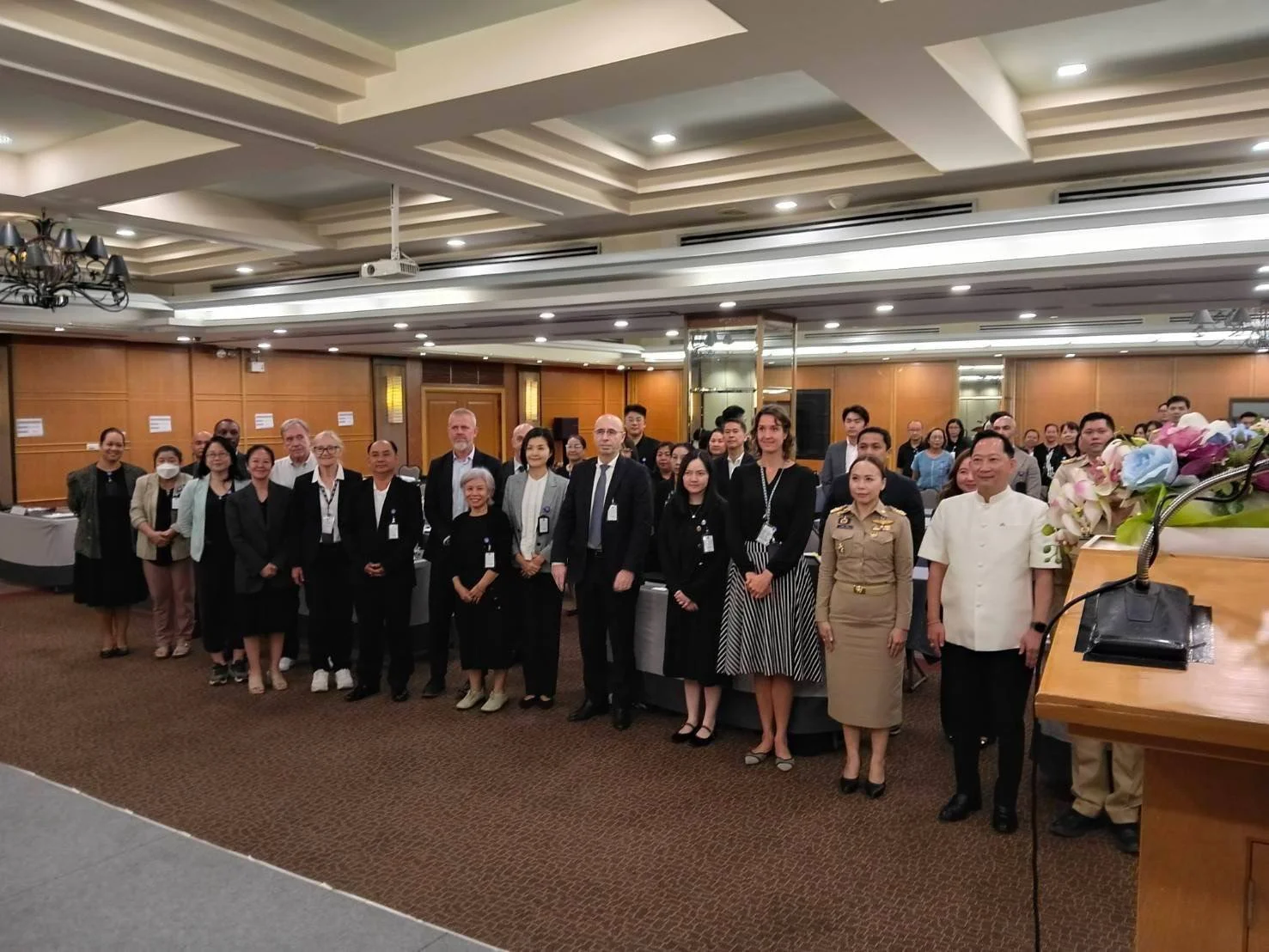
Representatives from government agencies, international organizations and NGOs at the MOI Annual Seminar, Bangkok, 10–11 August 2026.
From Policy to Practical Implementation
A key focus of the seminar was the implementation of Thailand’s policy allowing displaced persons from Myanmar living in the nine temporary shelters to work legally outside the shelters.
Nearly one year into implementation, more than 4,600 displaced persons have entered legal employment with complete documentation. When those currently holding Department of Employment receipts and awaiting final approval are included, approximately 6,000 people are estimated to have entered the formal employment process.
The discussion highlighted both encouraging progress and remaining operational challenges. These include documentation procedures, access to bank accounts, health screening and insurance, labour protection, transportation, pre-departure preparation, job matching, and coordination between areas of origin and employment destinations.

Strengthening Protection and Employment Support
Participants emphasized that expanding employment opportunities must go hand in hand with appropriate safeguards.
Key priorities include developing a standard employment contract, strengthening complaint and referral mechanisms, improving access to interpretation services, and ensuring that workers understand their rights under Thai labour law.
The seminar also highlighted the importance of pre-departure preparation. Workers should receive practical information on Thai laws, workplace expectations, workers’ rights, cultural adaptation, and available support mechanisms before leaving the temporary shelters.
Job matching was another important area of discussion. Participants explored opportunities to expand Job Fairs beyond Mae La and to develop Online Job Fairs, enabling employers to introduce job opportunities and conduct interviews with candidates living in more remote temporary shelters.
Thai-language training and skills development will also remain important components of employment preparation, particularly as training increasingly responds to actual labour-market demand.
Internet Access as a Cross-Sectoral Priority
Internet access in the temporary shelters emerged as an important issue for future consideration.
While internet connectivity could directly support online education, job interviews and job matching, its potential benefits extend across sectors. Controlled internet access could also strengthen access to information and services, protection and referral mechanisms, health information, communication, capacity building, and coordination between displaced communities and service providers.
MOI indicated that the issue would be further discussed with the National Security Council (NSC) and relevant mechanisms. CCSDPT was requested to develop a proposal outlining the purposes, needs and appropriate measures for controlled internet access.
CCSDPT will therefore work with its sectors and working groups to consolidate practical inputs and recommendations for submission to MOI. The information may support further government consideration, including how controlled internet access could be addressed within relevant Standard Operating Procedures.
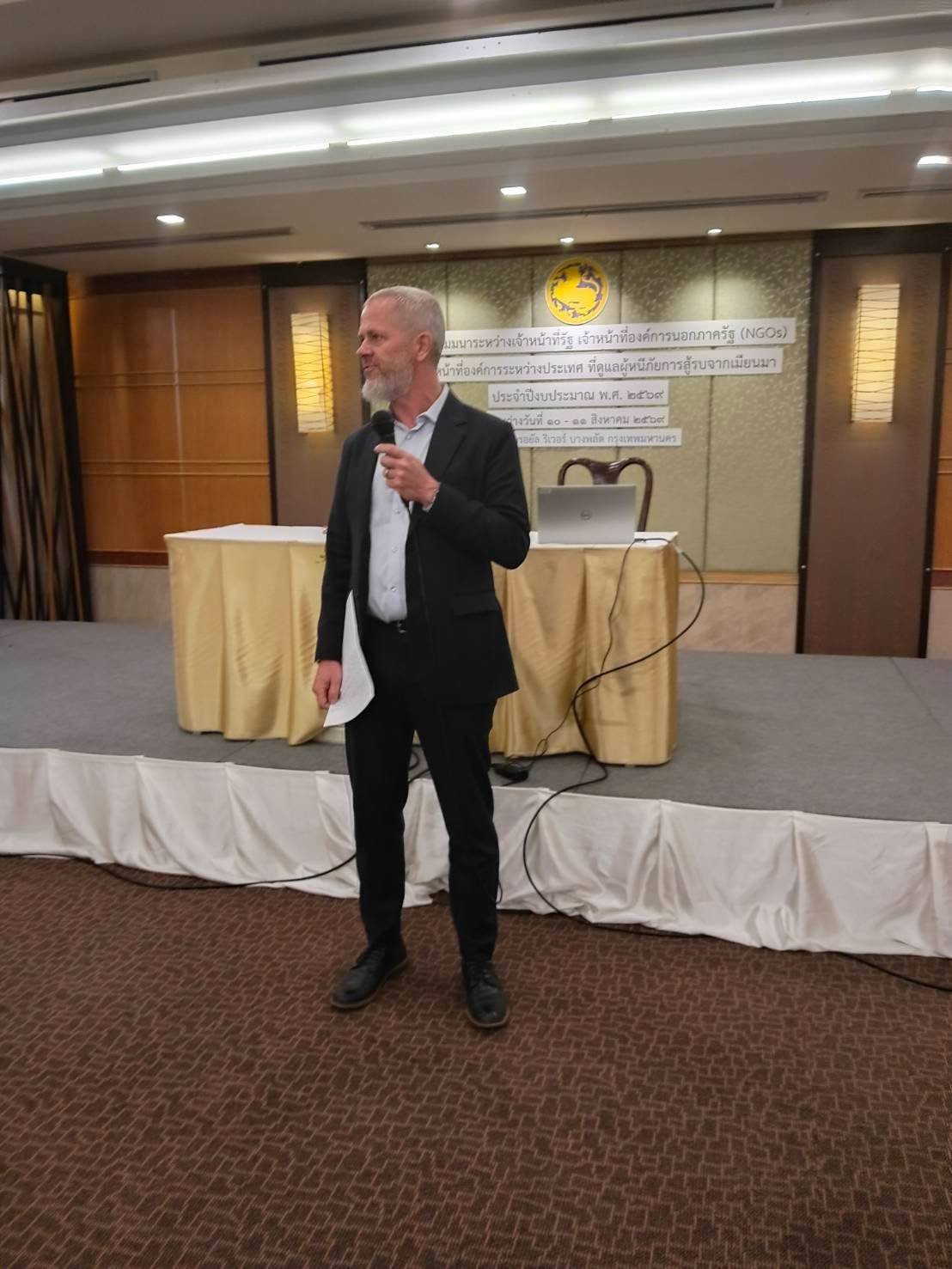
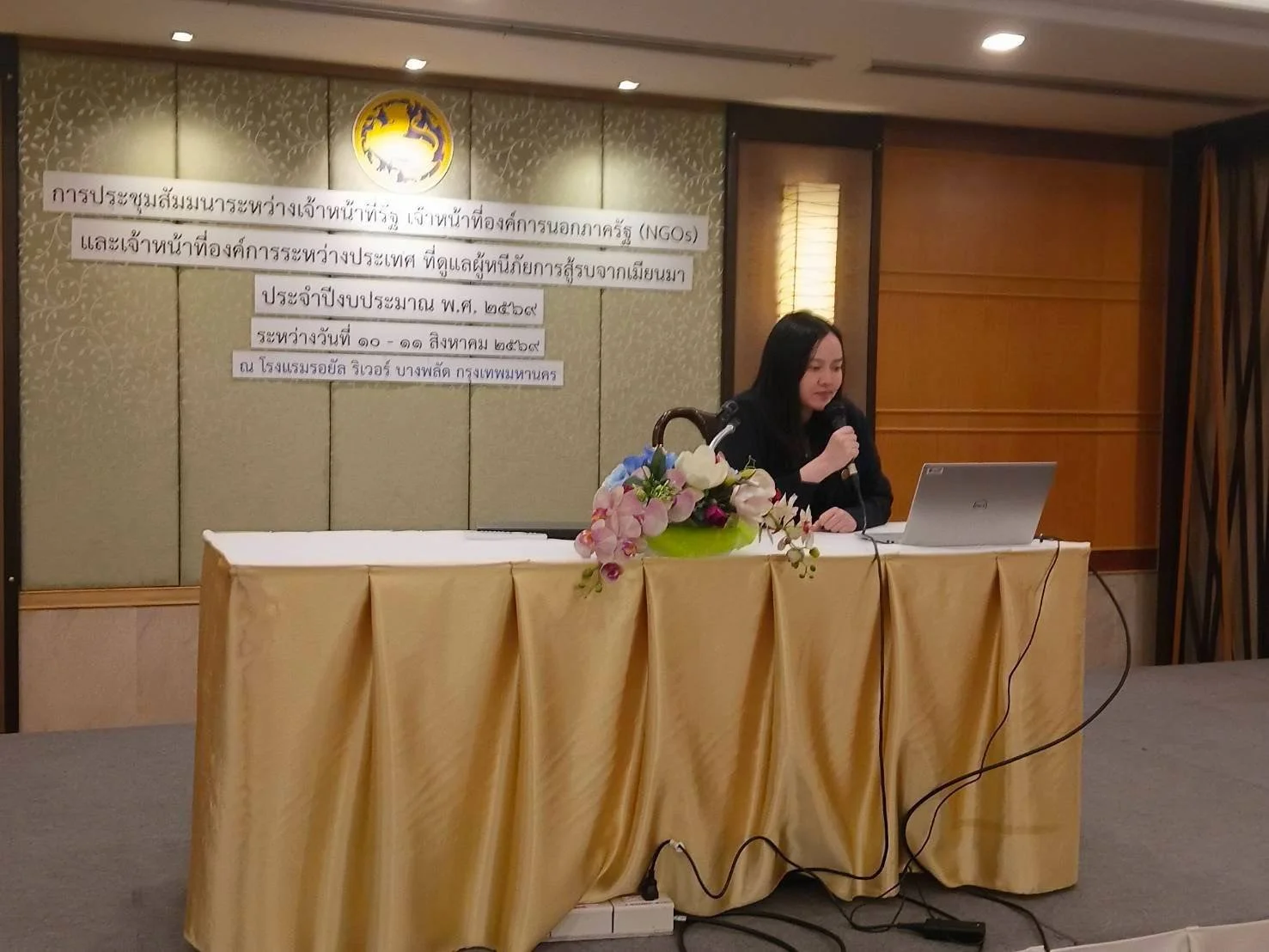
CCSDPT Chair Darren Hertz sharing perspectives during the Annual Seminar.
Moving Forward Together
The seminar demonstrated that the Right to Work initiative is moving from policy development toward practical implementation. The next phase will require continued collaboration among government authorities, international organizations, NGOs, employers and communities to make employment pathways more accessible while maintaining appropriate protection safeguards.
For CCSDPT and its members, priority follow-up areas include job matching, pre-departure preparation, labour protection, health coverage, protection of children and vulnerable family members, improved data sharing, and the development of recommendations on controlled internet access.
CCSDPT remains committed to working closely with the Ministry of Interior, relevant government agencies and partners to support practical, coordinated and protection-sensitive approaches toward greater self-reliance for displaced persons from Myanmar.
Make it stand out
CCSDPT also appreciates TOLL's continued support for stakeholder engagement and humanitarian collaboration. Such partnerships demonstrate how the private sector can contribute meaningfully to collective efforts to improve the lives of displaced persons.
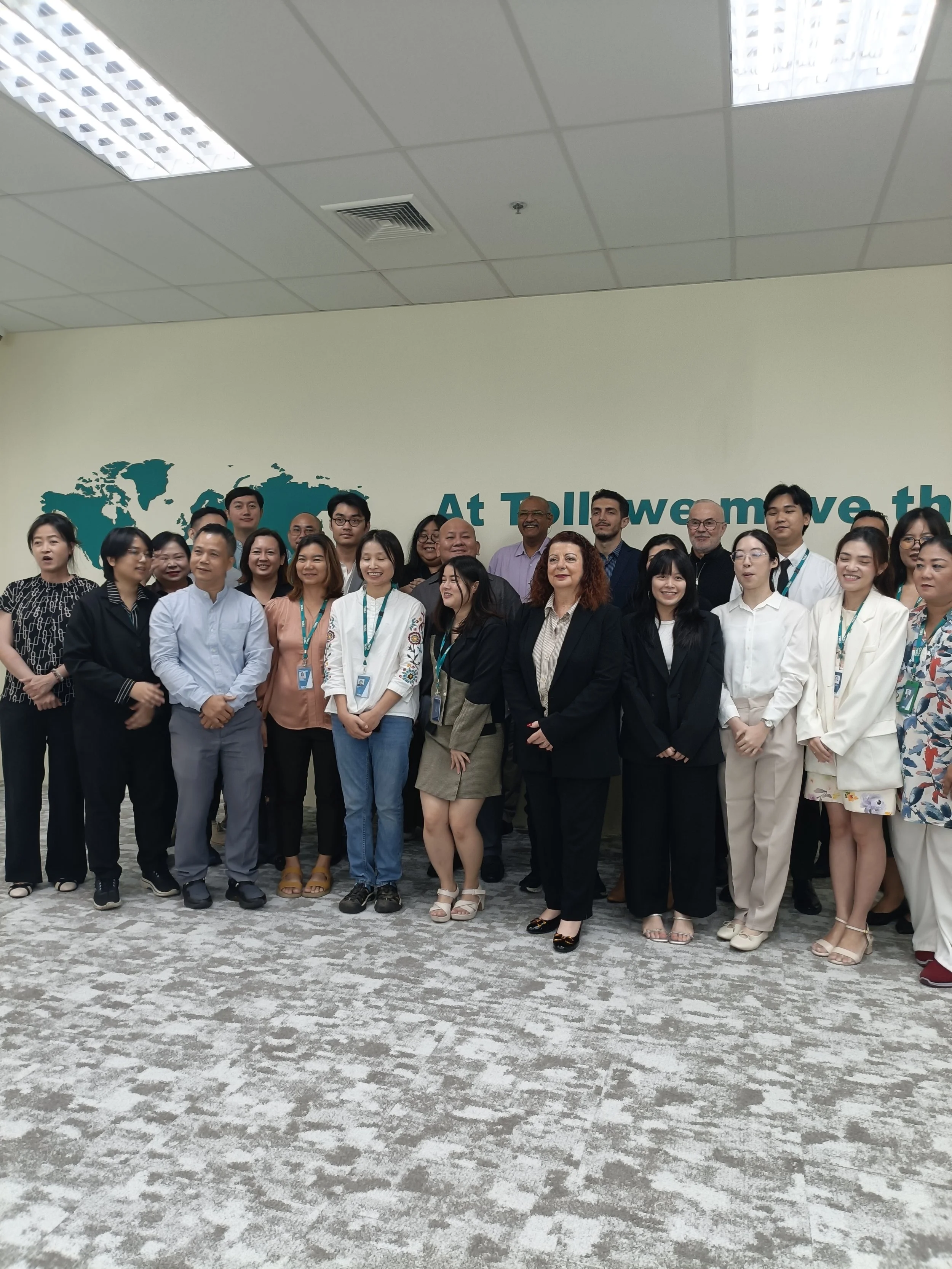
Photo: Representatives from TOLL Thailand, the Australian Embassy, humanitarian partners, and CCSDPT during the official opening of TOLL Thailand's new office in Bangkok.
CCSDPT Joins TOLL Thailand in Celebrating a Shared Commitment to Durable Solutions
Representatives from CCSDPT joined TOLL Thailand, the Australian Embassy, and partners from across the humanitarian and private sectors to celebrate the official opening of TOLL Thailand's new office in Bangkok. The event provided an opportunity to strengthen relationships and reaffirm a shared commitment to supporting displaced persons through collaboration and partnership.
Beyond celebrating the opening of a new office, the event underscored the important role that partnerships between the private sector, humanitarian organizations, and government agencies play in advancing durable solutions for displaced persons in Thailand.
As a global logistics company, TOLL plays an important role in supporting refugee resettlement operations, including the transportation of displaced persons departing for Australia. Beyond its operational expertise, TOLL has also demonstrated its commitment to humanitarian collaboration by supporting stakeholder engagement and strengthening partnerships across sectors.
CCSDPT sincerely appreciates TOLL Thailand's continued partnership and looks forward to further collaboration in promoting inclusive, sustainable, and durable solutions that improve the lives of displaced persons and strengthen humanitarian cooperation in Thailand.
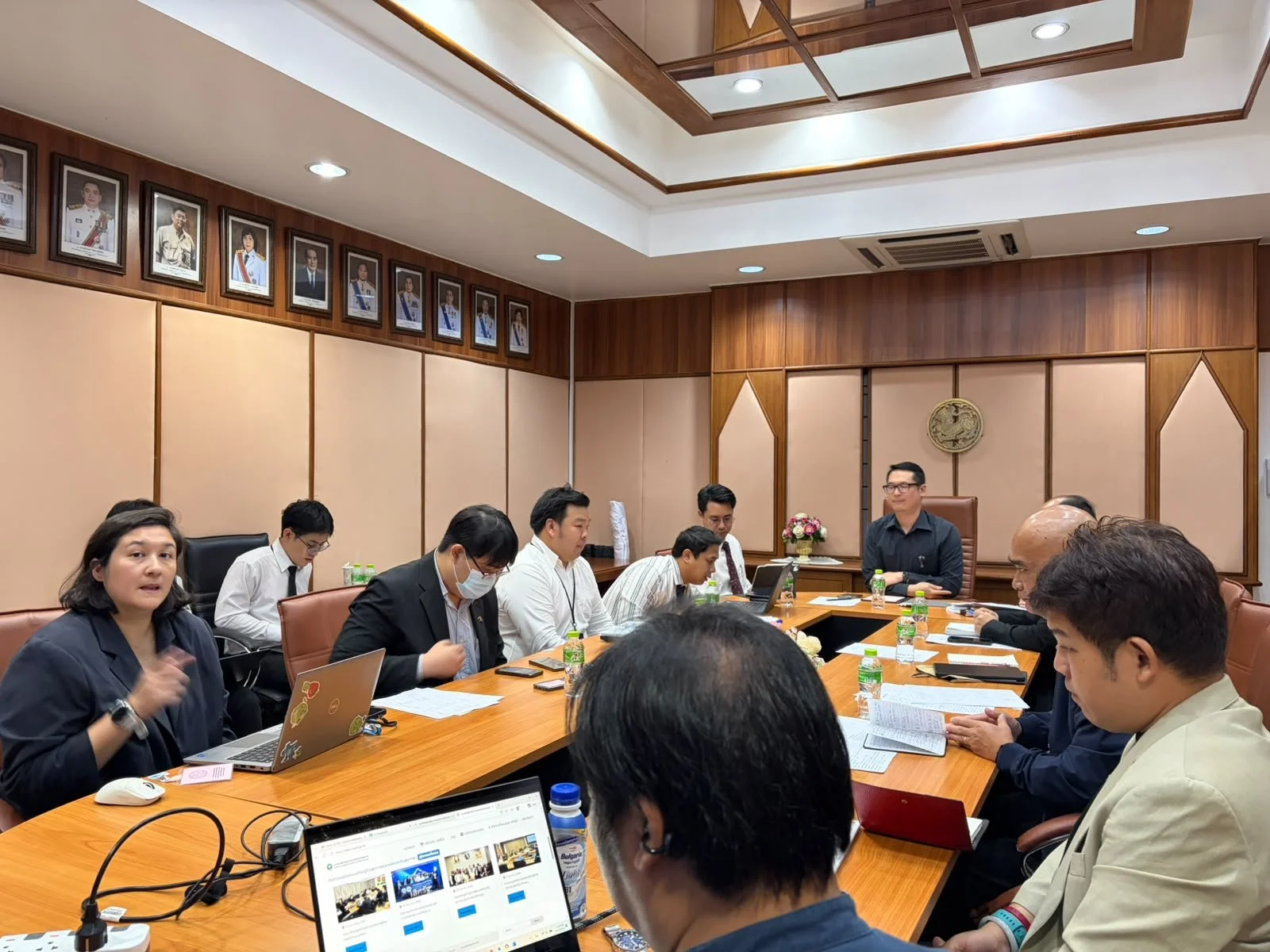
Preparatory Meeting on Refugee Skills and Occupational Profile Project
On 12 June 2026, representatives from the Ministry of Interior, Ministry of Labor, UN agencies, CCSDPT, and partner organizations met to discuss the development of a standardized Refugee Skills and Occupational Profile Project.
The proposed initiative aims to establish a common database of skills, work experience, and occupational interests among displaced persons from Myanmar residing in temporary shelters. The information will support employment opportunities, skills development programs, and evidence-based planning for future interventions.
Participants agreed on the importance of developing standardized data collection tools, ensuring strong data protection measures, and promoting multi-stakeholder collaboration. The Ministry of Interior will provide policy guidance, while CCSDPT and partners will continue consultations on project design, work plans, and implementation arrangements.
Date: 12 June 2026
Location: Ministry of Interior, Bangkok, Thailand
Advancing Skills-Based Employment Pathways for Refugees
Prepared by Raweeporn Dokmai, CCSDPT Transition Coordinator
Published by CCSDPT Secretariat
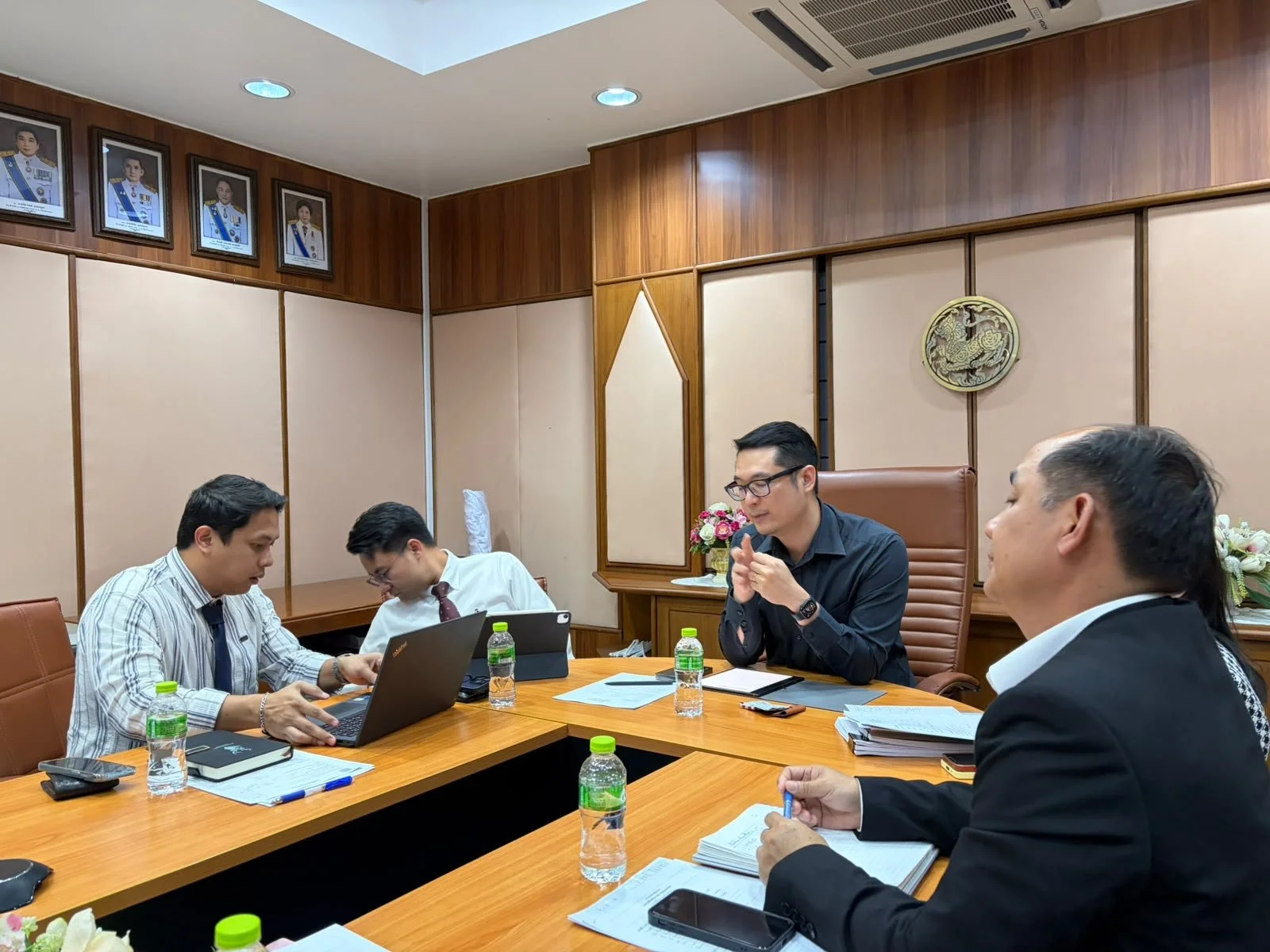
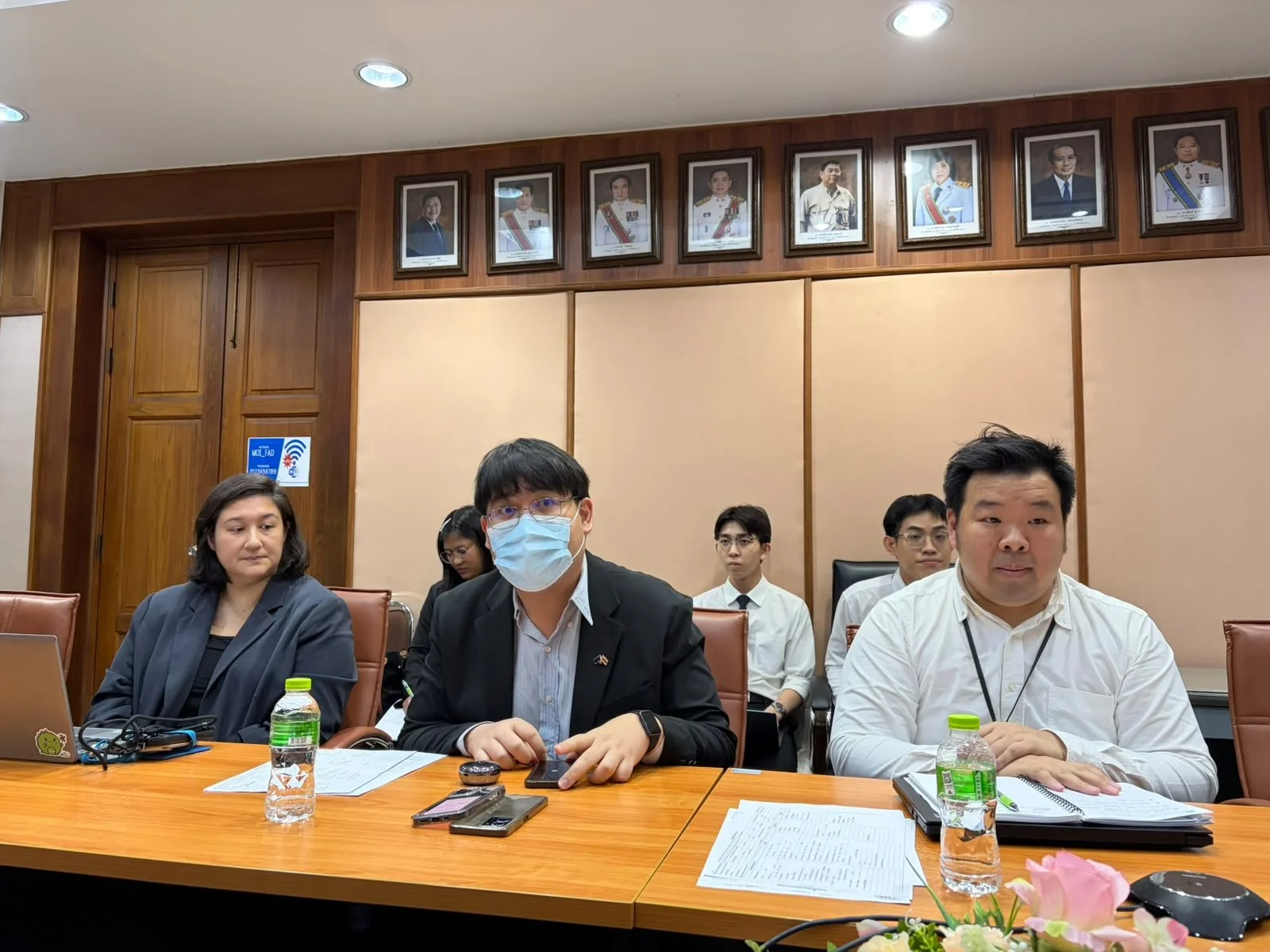
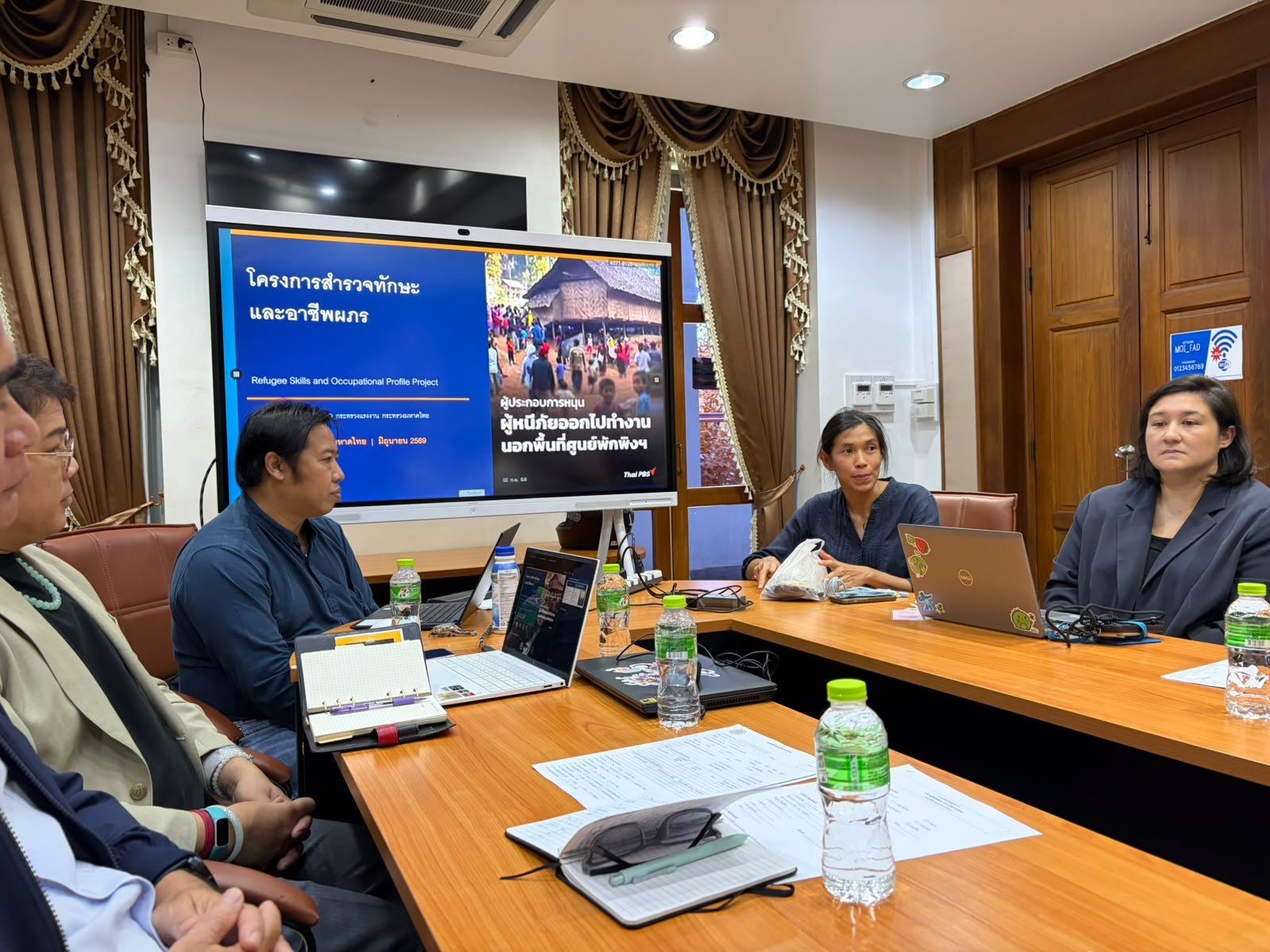
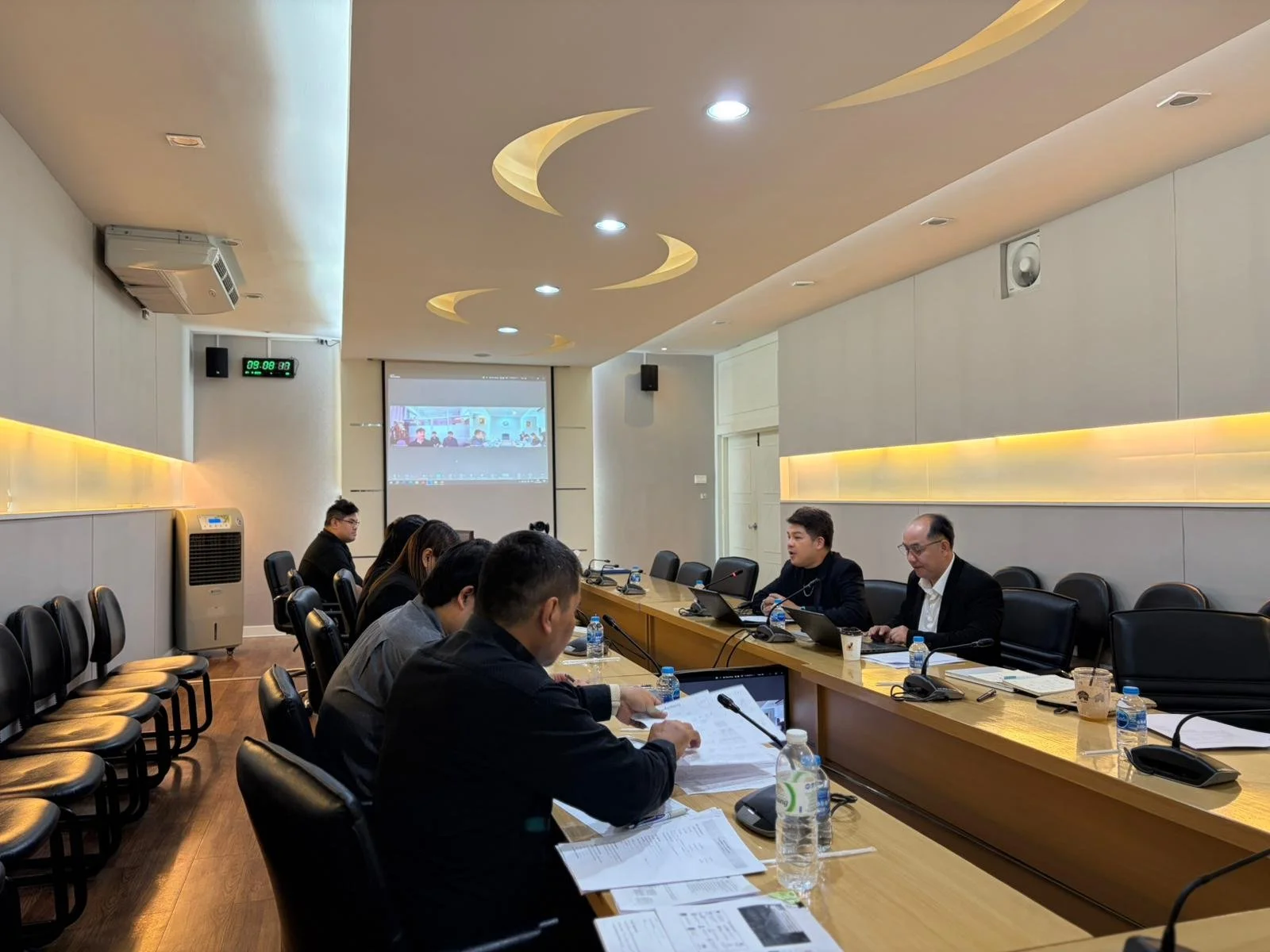
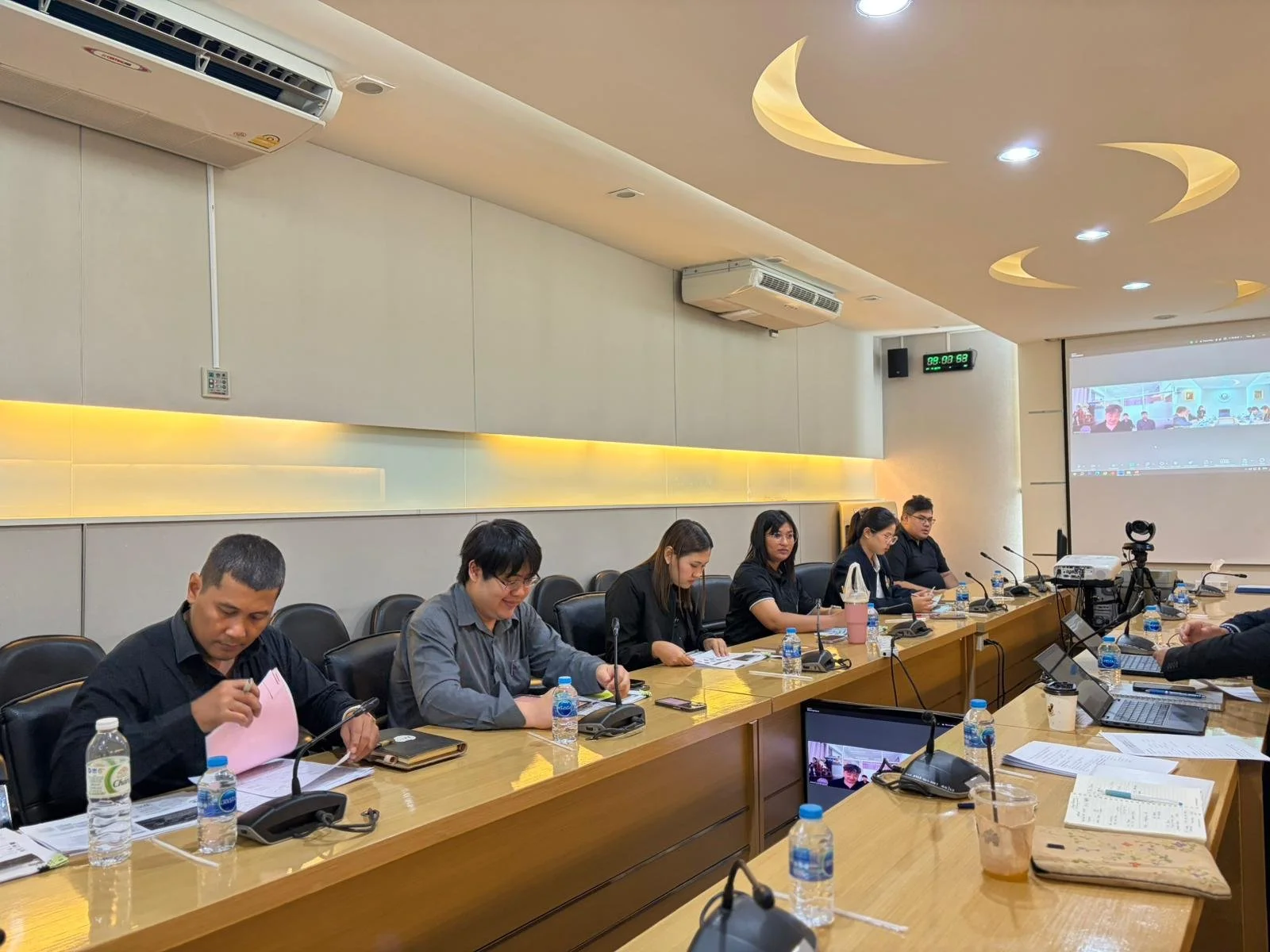
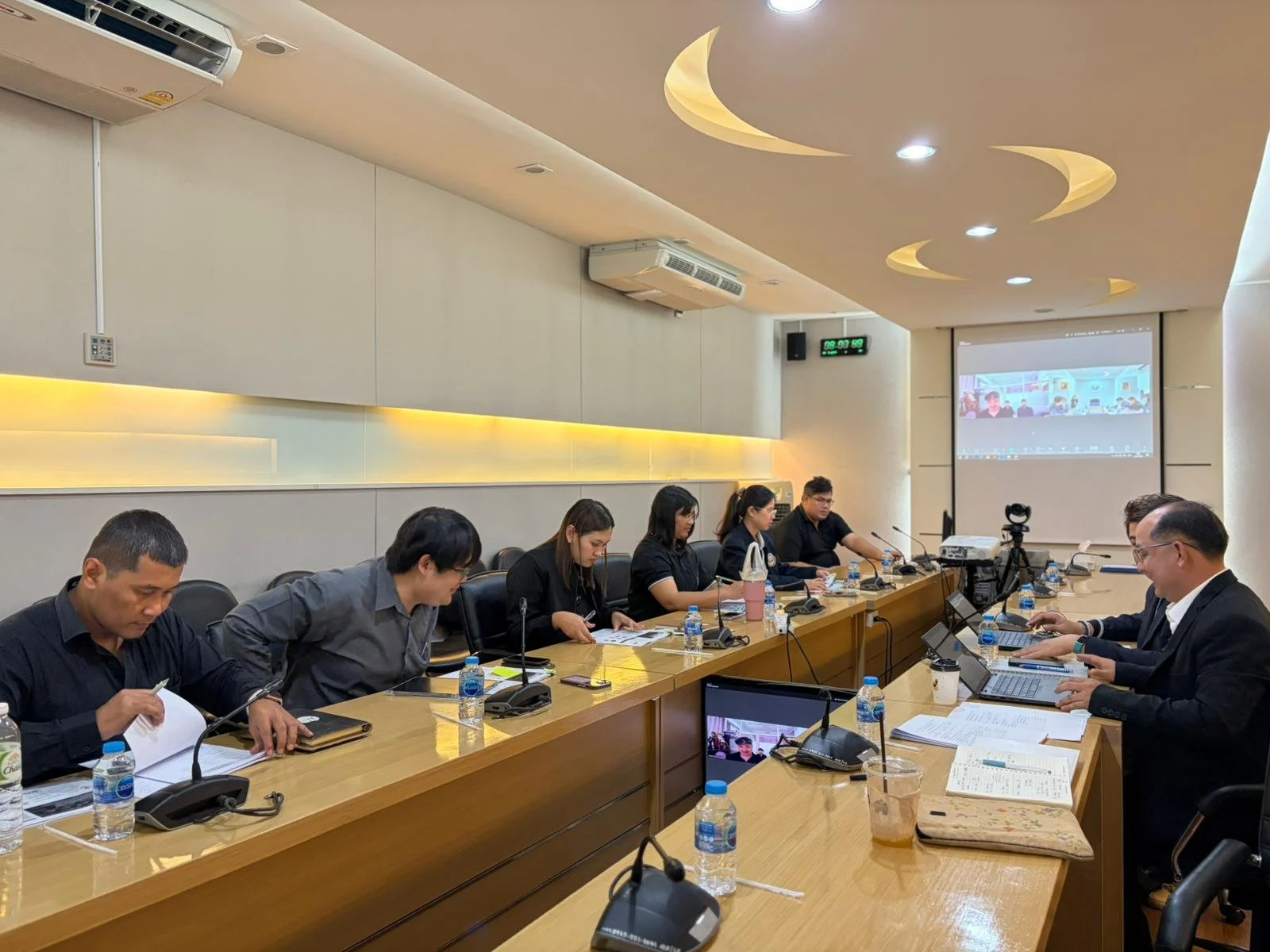
On 27 May 2026, representatives from CCSDPT, The Border Consortium (TBC), and the International Rescue Committee (IRC) met with the Department of Employment (DOE) to discuss technical collaboration on the development of tools and processes for collecting employment-related data of refugees seeking work opportunities in Thailand.
The discussion focused on strengthening skills-based data collection to better understand refugees’ skills, work experience, and employment interests, with the aim of supporting effective job matching and workforce planning.
Participants also explored the use of standardized occupational classifications, digital data collection tools, and community-based screening mechanisms to support future implementation.
The meeting highlighted a shared commitment to promoting refugee self-reliance while contributing to Thailand’s labor market needs through practical, transparent, and sustainable employment pathways.
Technical consultations will continue to further develop the proposed tools and processes in collaboration with relevant stakeholders.
Update on Assistance for Displaced Persons – 12 May 2026
Chantaburi Migrant Workers Assistance Center